The Impact of Offline Events on Community Cohesion
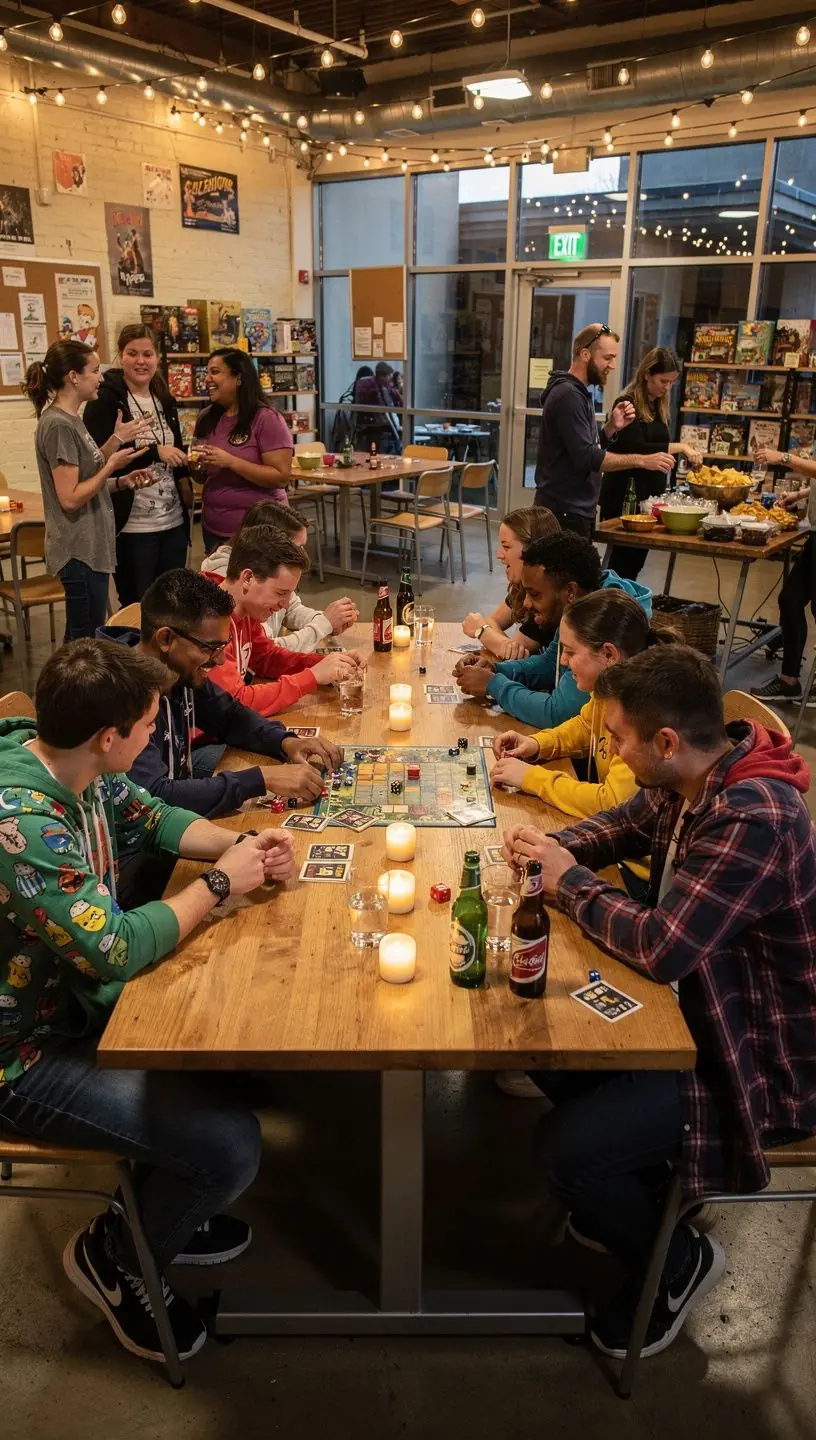
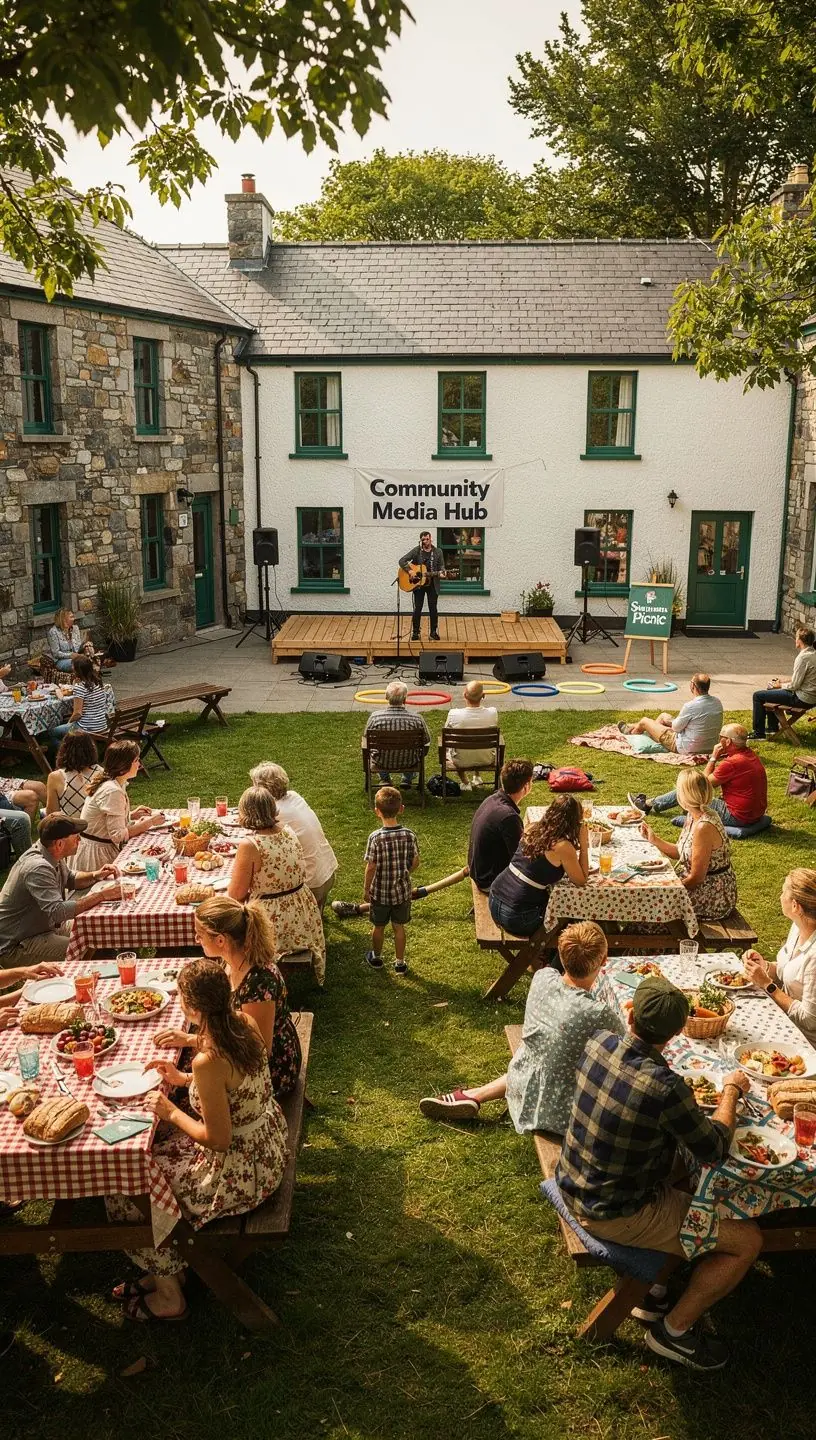
In an increasingly digital world, offline events play a critical role in fostering community cohesion. This article explores how gatherings such as discussion clubs, concerts, and game nights contribute to stronger community ties, backed by research and expert opinions.
Understanding the Role of Offline Events
Offline events provide a unique opportunity for individuals to connect face-to-face, which is crucial for building trust and rapport in any community. According to studies, in-person interactions can significantly enhance communication and mutual understanding among community members. This is primarily because non-verbal cues, such as body language and eye contact, are easier to interpret in person than through digital means.

"Communities thrive on relationships built through shared experiences. Face-to-face interactions create an environment where collaboration and dialogue can flourish." – Community Development Expert
The Benefits of Community Gatherings
Research indicates that participation in community events can lead to an increase in social capital, which refers to the networks of relationships among people who live and work in a particular society. Some benefits of offline events include:
- Enhanced Trust: Regular gatherings can help foster trust among community members, often leading to more collaborative efforts.
- Improved Mental Health: Many users report that attending social events reduces feelings of loneliness and isolation, which is particularly important in today's fast-paced world.
- Stronger Networks: Building connections through events can provide opportunities for support, collaboration, and resource sharing.
How Offline Events Foster Inclusivity
Inclusive events that cater to diverse interests and demographics can significantly enhance community cohesion. Experts recommend that organizers consider the following practices:
- Diverse Programming: Offering a variety of events ensures that there is something for everyone, which can attract a broader audience.
- Accessible Venues: Selecting locations that are accessible to people of all abilities encourages participation from all community members.
- Community Input: Soliciting feedback for event planning helps ensure that the events resonate with community needs and preferences.
Challenges and Considerations
While offline events can significantly benefit community cohesion, it's essential to acknowledge some limitations:
- Organizing and promoting events typically requires a substantial time commitment, often taking several weeks to plan effectively.
- Engagement may vary; not everyone may feel comfortable in large groups, requiring organizers to find ways to encourage participation.
- Community dynamics can differ; what works well in one area may not be effective in another, necessitating tailored approaches.
Conclusion
Offline events can play a vital role in enhancing community cohesion through fostering relationships, trust, and inclusivity. By understanding the benefits and acknowledging the challenges associated with organizing these events, communities in Ireland can work towards creating more connected and supportive environments. Ultimately, prioritizing face-to-face interactions can lead to long-term benefits that digital platforms alone cannot achieve.