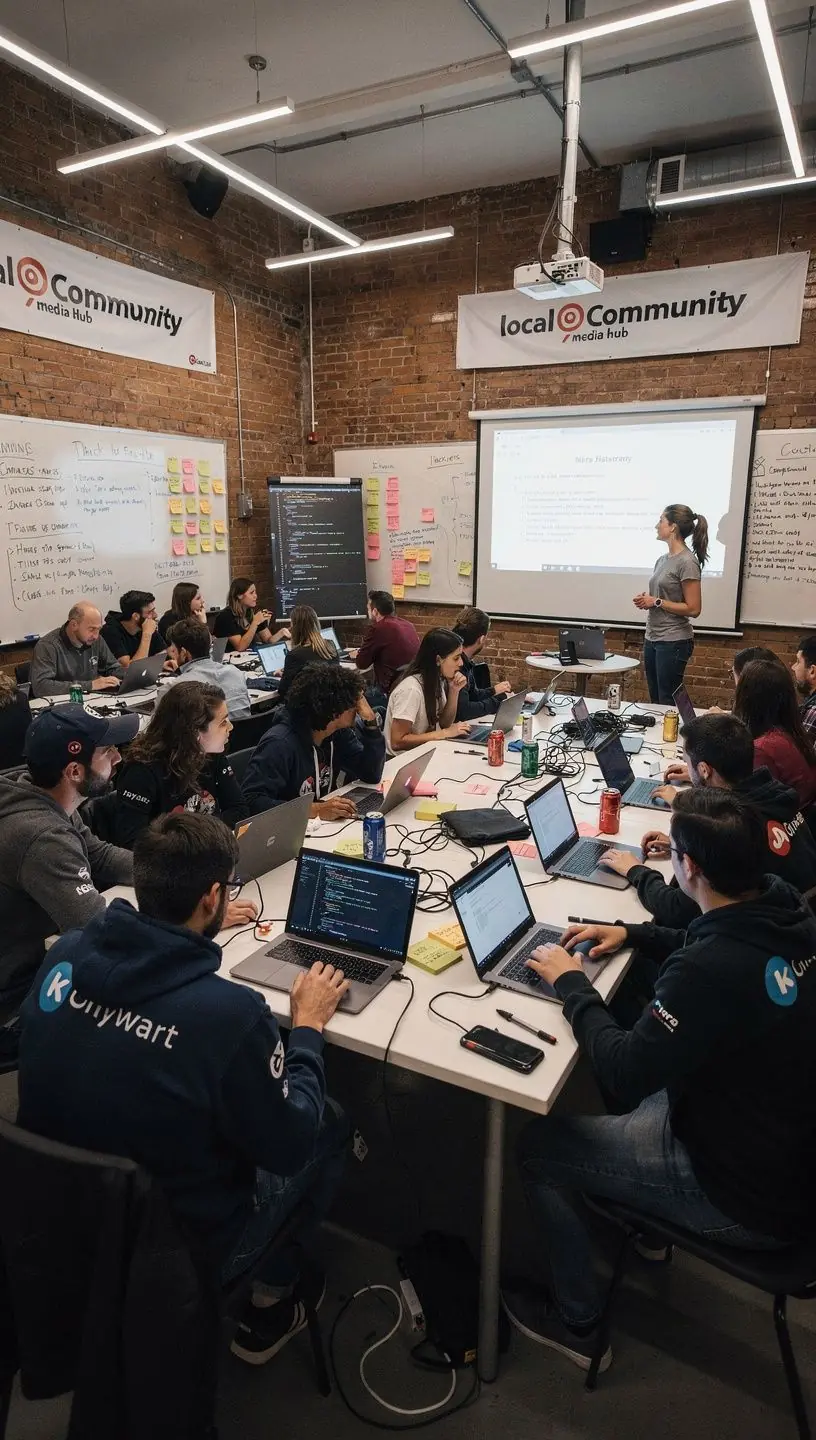
Understanding Audience Engagement in Offline Events
Engaging an audience during offline events is essential for building community and ensuring the success of activities such as discussion clubs, concerts, and game nights. This article delves into strategies for fostering meaningful engagement while outlining the key principles and best practices to consider.
Understanding the Basics of Audience Engagement
Audience engagement refers to the methods and practices that facilitate interaction between participants and event organizers. Research indicates that effective audience engagement can lead to improved satisfaction and a higher likelihood of repeat attendance. Strategies typically include active participation, interactive content, and relatable themes that resonate with the audience.

"Engagement in offline events is crucial for creating memorable experiences that foster community spirit and ongoing participation." - Community Engagement Expert
Strategies for Effective Engagement
Implementing effective engagement strategies often requires a thoughtful approach. Here are several methods, supported by industry best practices:
- Interactive Activities: Incorporating hands-on activities, such as workshops or games, can enhance participant involvement. Experts recommend that activities should align with participants' interests to maximize engagement.
- Facilitated Discussions: Organizing structured discussions encourages attendees to share opinions and experiences. This method can be particularly effective in discussion clubs, as it often results in richer conversations.
- Feedback Mechanisms: Providing opportunities for attendees to give feedback not only enhances engagement but also informs future events. Many users report that feeling heard increases their investment in the community.
Creating a Welcoming Environment
The atmosphere of an event plays a crucial role in audience engagement. Studies show that environments that encourage openness and comfort often yield higher levels of participation. Here are some key aspects to consider:
- Comfortable Venue: Selecting a venue that is accessible and comfortable can significantly impact audience participation. Ensure that seating, lighting, and acoustics are conducive to interaction.
- Warm Welcome: First impressions matter. Greet attendees warmly as they arrive to set a positive tone for the event. A friendly atmosphere can make a significant difference in how engaged participants feel.
- Inclusivity: Strive to create an inclusive environment where all attendees feel valued and respected. This often requires understanding diverse backgrounds and adjusting content to meet varied needs.
Building Community Through Engagement
Engagement is not just about individual events; it's about cultivating a community. This often requires consistent effort over time. Here are some considerations:
- Regular Events: Hosting events on a regular basis can help build relationships among participants. According to industry norms, communities thrive when members have frequent opportunities to connect.
- Follow-Up Communications: Sending out follow-up messages after events can reinforce connections. This could include thanking attendees for their participation and sharing insights or highlights from the event.
- Encouraging Member Contributions: Involving community members in the planning and execution of events can enhance their commitment and sense of ownership.
Conclusion
Understanding audience engagement is vital for the success of offline events, particularly within community-focused settings. By implementing interactive strategies, creating welcoming environments, and prioritizing ongoing engagement, event organizers can foster a vibrant community. Remember, the journey toward effective engagement typically requires time and dedication, but the rewards of a connected community are well worth the effort.
Continue Reading